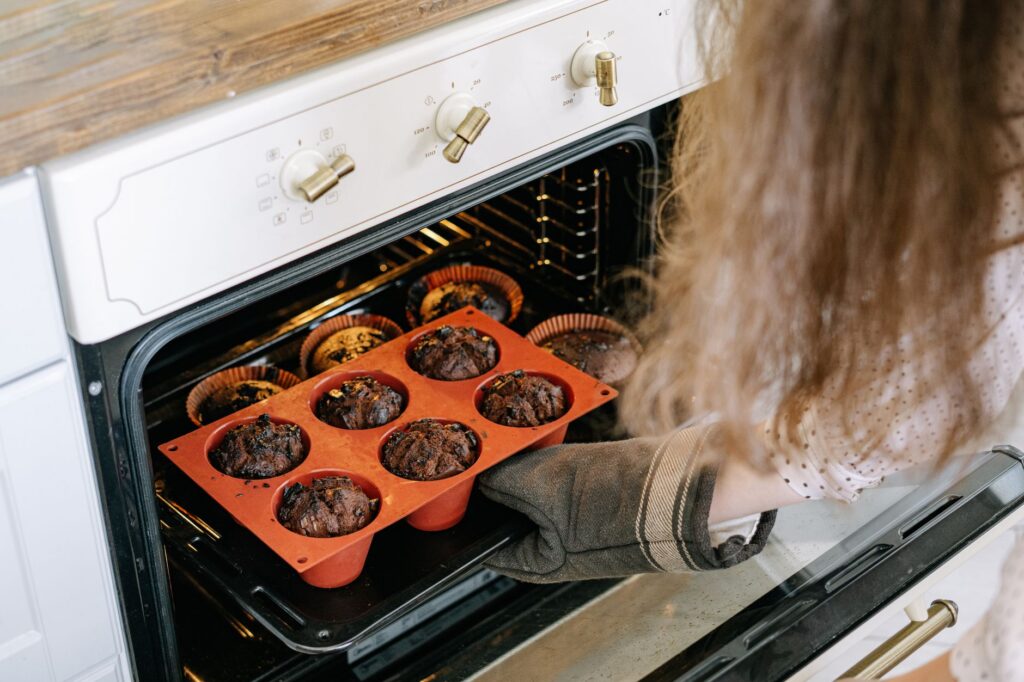
How Long to Bake Muffins: Time and Temperature Chart for Mini, Standard and Jumbo
Bake time depends on cup size, oven temperature and how heavy the batter is. Use the chart as a starting point, then trust the toothpick and thermometer.
Bake time depends on cup size, oven temperature and how heavy the batter is. Use the chart as a starting point, then trust the toothpick and thermometer.
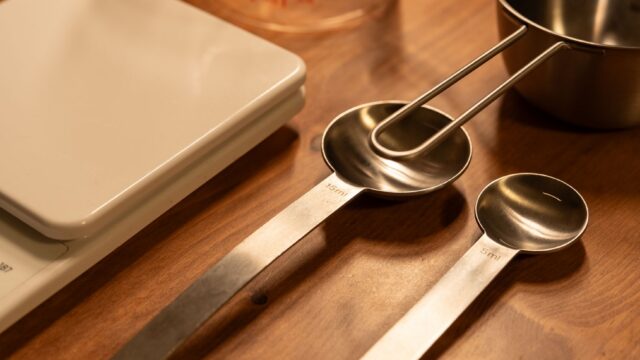
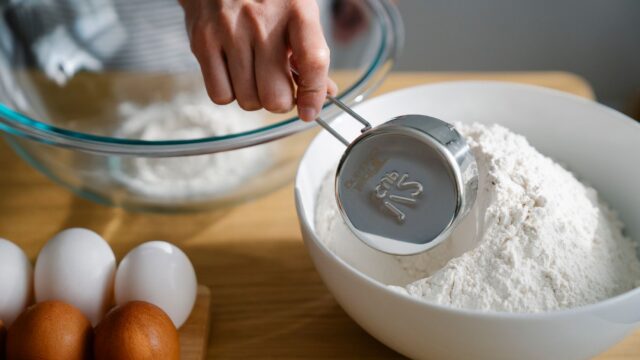
Most measuring mistakes come from using the wrong cup or the wrong technique. Here is how to get volume measurements right.
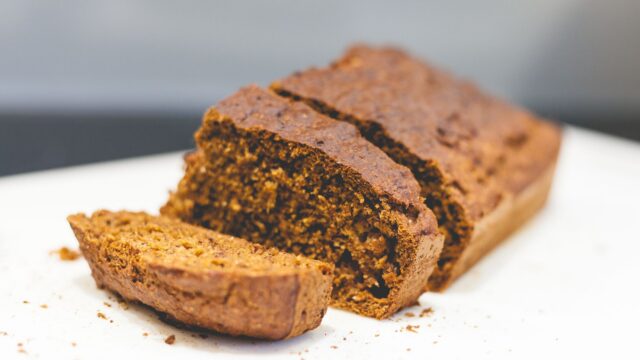
Molasses brings moisture, color and that deep gingerbread flavor to a simple one-bowl muffin. Bake a batch, freeze it and you have December breakfasts covered.
A wet, sticky base is mostly about steam with nowhere to go. Get muffins out of the pan on time and onto a rack, and most soggy bottoms disappear.
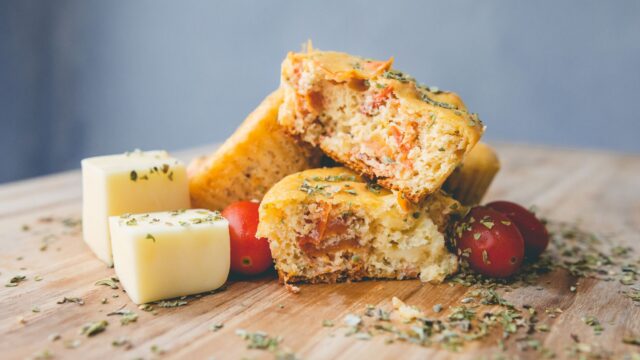
Savory muffins use the same muffin method with very little sugar and a lot of cheese. Here is a standard recipe and the limits that keep them tender, not greasy.
A sunken muffin is almost always a structure problem: the center collapsed before it set. Find your cause in the table, then fix it on the next batch.
Self-rising flour is just flour with leavening and, in the US, salt already mixed in. Here is the standard DIY blend, how UK self-raising compares, and how to swap either way.
Muffins and quick breads are among the easiest bakes to make gluten-free, because they never needed much gluten. The blend, the binder and a short rest do most of the work.
Sugar does far more than sweeten, so every substitute changes something: moisture, browning, spread or rise. Here is how to adjust for liquid sweeteners and which sugar-free options survive the oven.
Both release carbon dioxide to lift your batter, but only one carries its own acid. Knowing which is which explains flat muffins, metallic aftertastes and recipes that call for both.
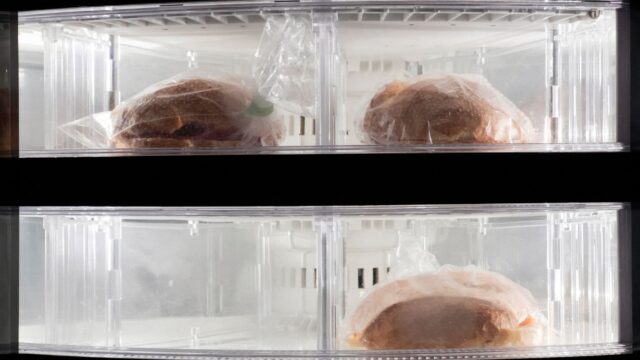
Muffins freeze better than almost any other bake. The two things that matter are cooling them fully first and keeping air away from them in the freezer.
The same cup of flour can weigh 20 percent more depending on how you fill it. That gap is behind many dense muffins, dry cakes and stiff cookie doughs.
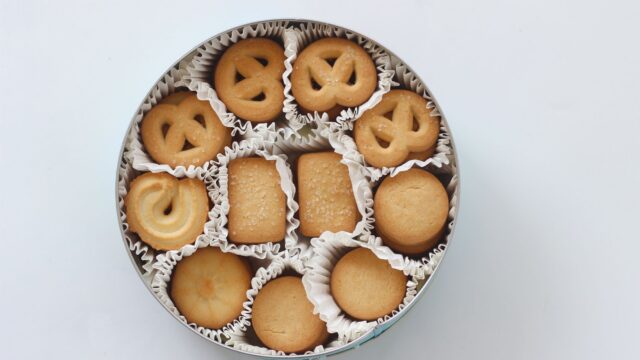
Sturdy, dry cookies packed snugly in a tin, inside a cushioned box, mailed early in the week, arrive in good shape. Check your carrier's holiday cutoff dates before you bake.
Thin, greasy cookies that run together on the sheet are almost always a fat-temperature or measuring problem. A short chill and a cool pan fix most batches.
One standard dough makes chewy oatmeal raisin or oatmeal chocolate chip cookies. The type of oats and the dough temperature decide how much they spread.
The handful of cake pans that cover most recipes, how their sizes compare, and what material and color do to your bake.
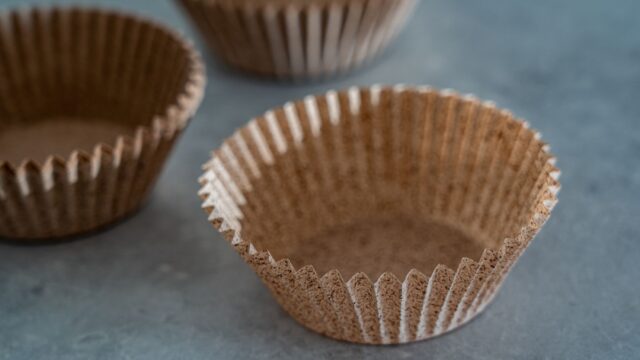
Liners change more than cleanup. Here is how each type affects browning and sticking, and how to buy the right size.
Two cheap thermometers solve most baking mysteries: one tells you how hot the oven really is, the other tells you when the inside is done.
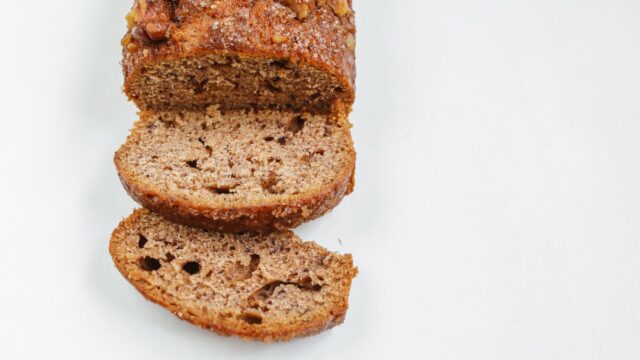
Very ripe bananas, a light hand with mixing and a thermometer reading of 200–205°F are what separate a tender loaf from a gummy one.
A golden crust can hide a wet, dense center. An instant-read thermometer, the right loaf pan and a foil tent solve most gummy banana bread.
Sweet and cakey or savory and crisp-edged? The difference comes down to sugar, flour, cornmeal and a very hot skillet.
We use analytics cookies to see which articles are read. No ads cookies. Privacy policy